
What is small-kindness perception in toxic relationships?
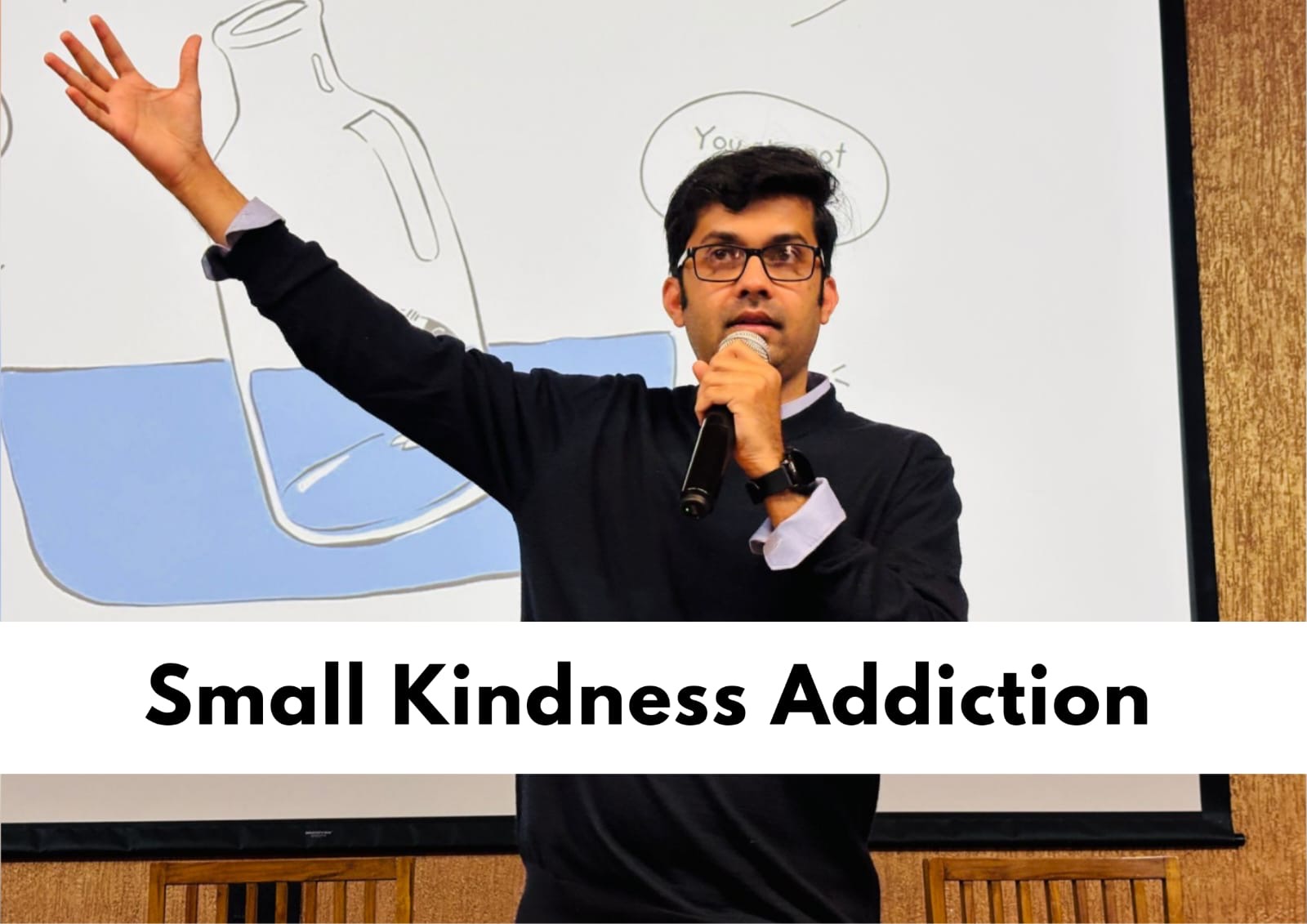
A typical dynamic is often seen in toxic or abusive relationships. Periods of cruelty, neglect, or emotional harm may be followed by occasional moments of warmth like an apology, a compliment, a thoughtful gift, or a sudden display of affection. Because these gestures appear after painful experiences, they can feel deeply meaningful and comforting.
Psychologist Joseph M. Carver refers to this as the “small kindness perception.” When someone is in a stressful or emotionally difficult situation, the mind naturally starts looking for signs that things might get better. Even a small act of kindness can feel like proof that the person isn’t entirely bad and that the relationship still holds hope.
Over time, these rare positive moments can begin to carry more weight than they should. A kind message, a heartfelt apology, or a brief moment of affection may feel like a glimpse of the person the partner once believed them to be. This hope keeps pushing the victim into a state of denial. It creates the feeling that the “good version” of them still exists somewhere beneath the hurtful behavior.
Because of this, the person may hold on to those moments and wait for them to return. It keeps their hope at a toxic pathological level. They might start believing that if they are patient enough, loving enough, or understanding enough, the relationship will eventually go back to those good phases.
In reality, these occasional acts of kindness often become the very thing that keeps someone emotionally tied to the relationship. The contrast between pain and affection makes the positive moments feel more powerful, making it much harder to walk away even when the relationship is causing deep harm.

Comments (0)