
What is Anaclitic Depression (Hospitalism)?
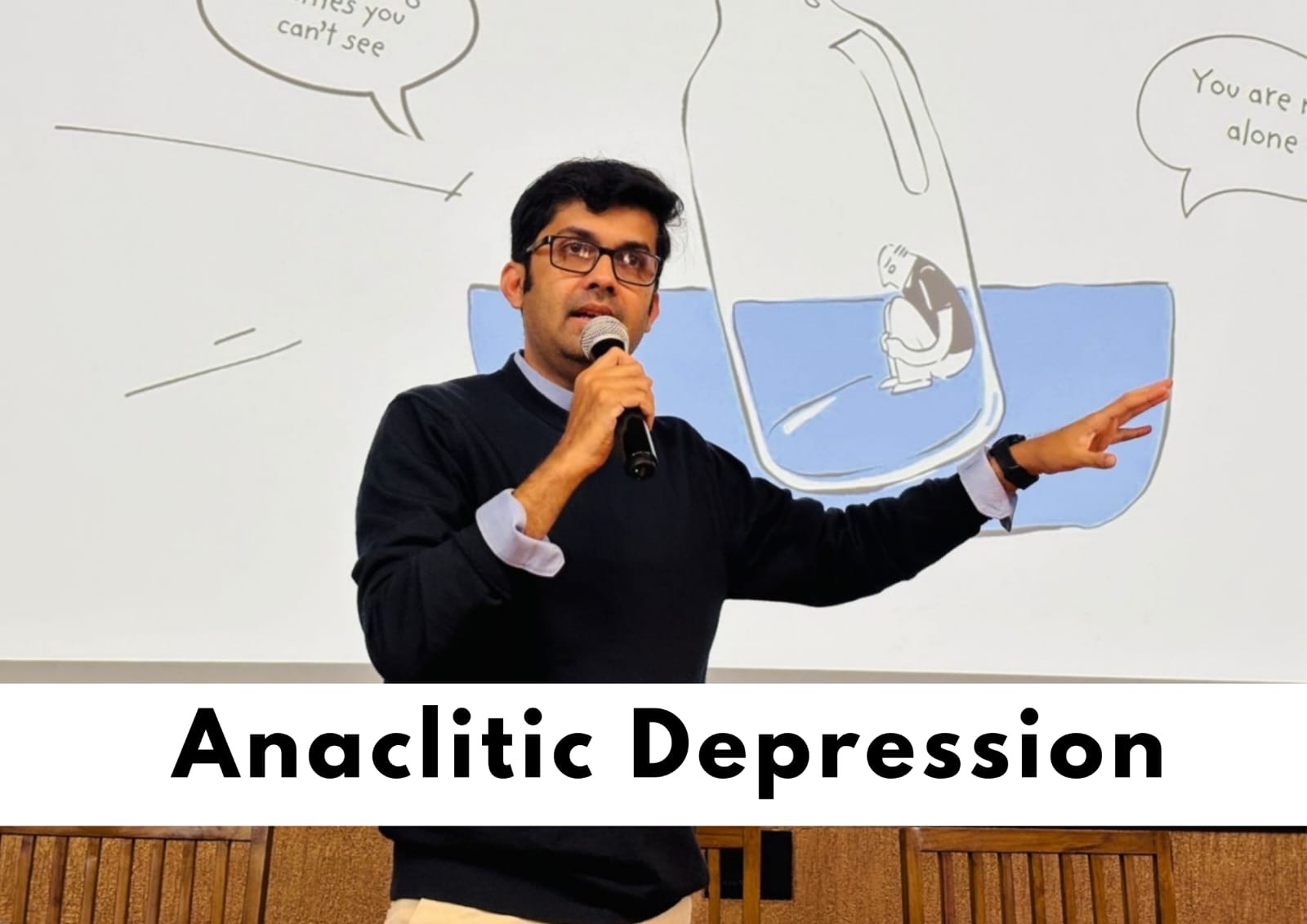
Anaclitic Depression (Hospitalism):
Anaclitic depression, often referred to as hospitalism, was first described by psychoanalyst René Spitz. He observed something deeply unsettling in infants who had once been securely attached to their mothers but were then suddenly separated and placed in hospitals or institutions.
These were not neglected babies. They had known warmth, touch, voice, and emotional safety. And then, abruptly, that world disappeared. What followed was not just sadness it was a quiet collapse.
The infants became withdrawn and unresponsive. Their cries faded. Eye contact reduced. Smiles vanished. Many stopped exploring their surroundings altogether. Physically, they grew more vulnerable frequent infections, poor growth, and delayed development became common. Emotionally, they appeared empty, as though the will to engage with life itself had been dimmed.
This condition was not caused by a lack of food or medical care. The hospitals were clean. The routines were structured. The bodies were cared for.
What was missing was the mother’s presence the familiar face, the consistent touch, the emotional attunement.
Spitz’s most striking observation was this:
when the mother returned, or when a consistent surrogate caregiver provided emotional warmth and responsiveness, the children recovered. Their vitality returned. Their development resumed. The depression lifted.
Anaclitic depression taught the world a powerful lesson human beings do not survive on physical care alone. Emotional connection is not a luxury; it is a psychological necessity.
This concept extends far beyond infancy. At its core, anaclitic depression reminds us that sudden loss of attachment especially in those who are emotionally dependent can deeply disrupt mental and even physical well-being. The pain of separation, when unbuffered by emotional support, can quietly erode the self.
Spitz’s work changed how we understand child development, institutional care, and attachment. It forced psychology and medicine to acknowledge something profoundly human:
Love, presence, and emotional continuity are as essential as nutrition and medicine.

Comments (0)