
What is Excoriation Disorder?
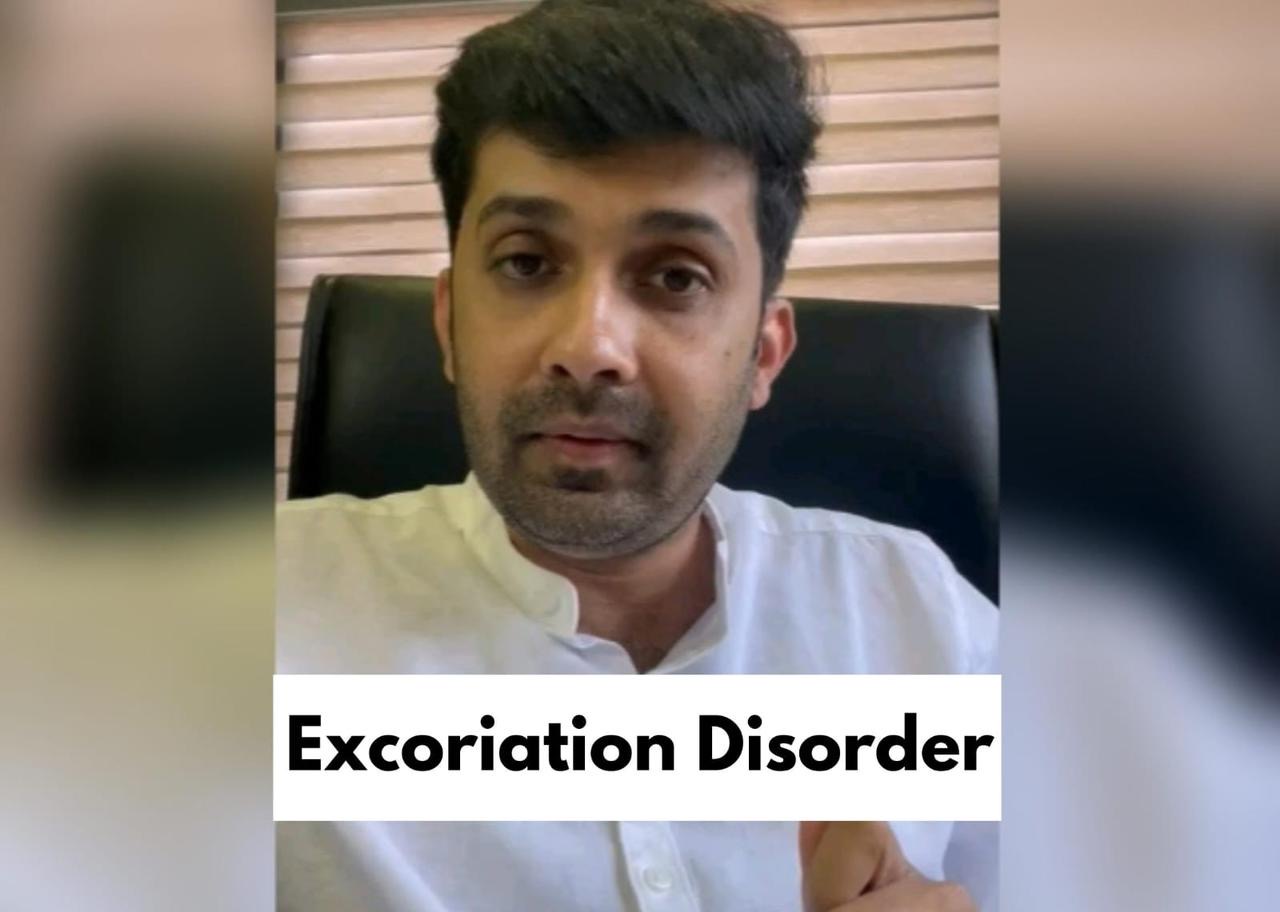
Excoriation (Skin-Picking) Disorder
Excoriation or skin-picking disorder is characterized by the compulsive and repetitive picking of the skin. It can lead to severe tissue damage and result in the need for various dermatological treatments. Throughout history, it has been known as skin-picking syndrome, emotional excoriation, nervous scratching artifact, epidermotillomania, and para-artificial excoriation.
EPIDEMIOLOGY
General Population: 1–5% prevalence.
Adolescents: 12% in the psychiatric population.
Dermatology Patients: 2% of those with other skin disorders.
Gender: More prevalent in women than in men.
COMORBIDITY
The repetitive nature of picking is similar to OCD rituals. Patients may be preoccupied with having smooth skin, a flawless complexion, or cleanliness.
OCD/Personality Disorder: 71%
Major Depressive Disorder: 32–58%
Anxiety Disorders: 23–56%
Trichotillomania (Hair-pulling): 38%
Substance Dependence: 38%
Body Dysmorphic Disorder: 27–45%
ETIOLOGY (CAUSES)
Psychological Theories: Some speculate it is a manifestation of repressed rage toward authoritarian parents. It can be a means to assert oneself or relieve stress (e.g., marital conflict, loss of loved ones, or unwanted pregnancies).
Psychoanalytic Theory: The skin is viewed as an erotic organ; picking may provide erotic pleasure or act as a “masturbatory equivalent.”
Neurochemistry: Theorized abnormalities in serotonin, dopamine, and glutamate metabolism.
Triggers: Often begins with a dermatological condition like acne and continues after the skin has cleared.
CLINICAL FEATURES
Common Sites: The face (most common), followed by the legs, arms, torso, hands, cuticles, and scalp.
Psychological Cycle: Patients feel tension before picking and relief/gratification after.
Social Impact: 87% feel embarrassed; 58% avoid social situations.
Medical Severity: Can lead to disfigurement requiring skin grafts or radiosurgery.
Risk Factors: 15% report suicidal ideation; 12% have attempted suicide.
TREATMENT (SUMMARY)
Pharmacotherapy: SSRIs (to treat OCD/Depression symptoms) and Glutamate modulators (like N-acetylcysteine) to reduce the urge to pick.
Behavioral Therapy: Habit Reversal Training (HRT) to replace picking with a “competing response” and CBT to manage triggers.
Dermatological Care: Topical antibiotics and wound care to prevent infection and scarring.
Excoriation Disorder is a serious condition where physical damage is often a reflection of internal emotional or neurochemical distress. Because of the high rates of embarrassment and suicidal risk, it is vital to approach treatment with both psychological support and medical care. Understanding that this is a clinical disorder NOT a lack of Willpower is the first step toward recovery.

Comments (0)